
Last updated August 25, 2026
Free on-site gate assessment - hinges, posts, and your LiftMaster or Nice gate operator checked before anything is quoted
The assessment is free and the quote is the invoice.
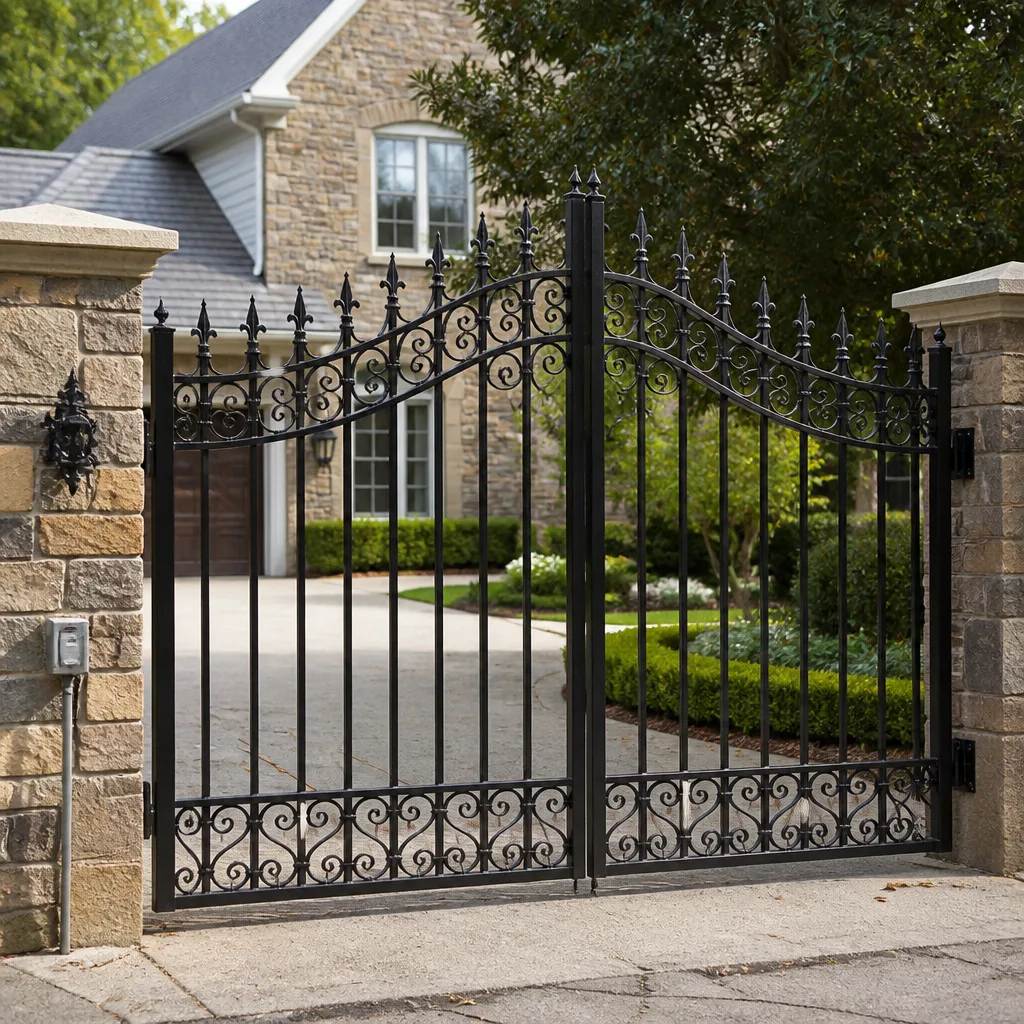
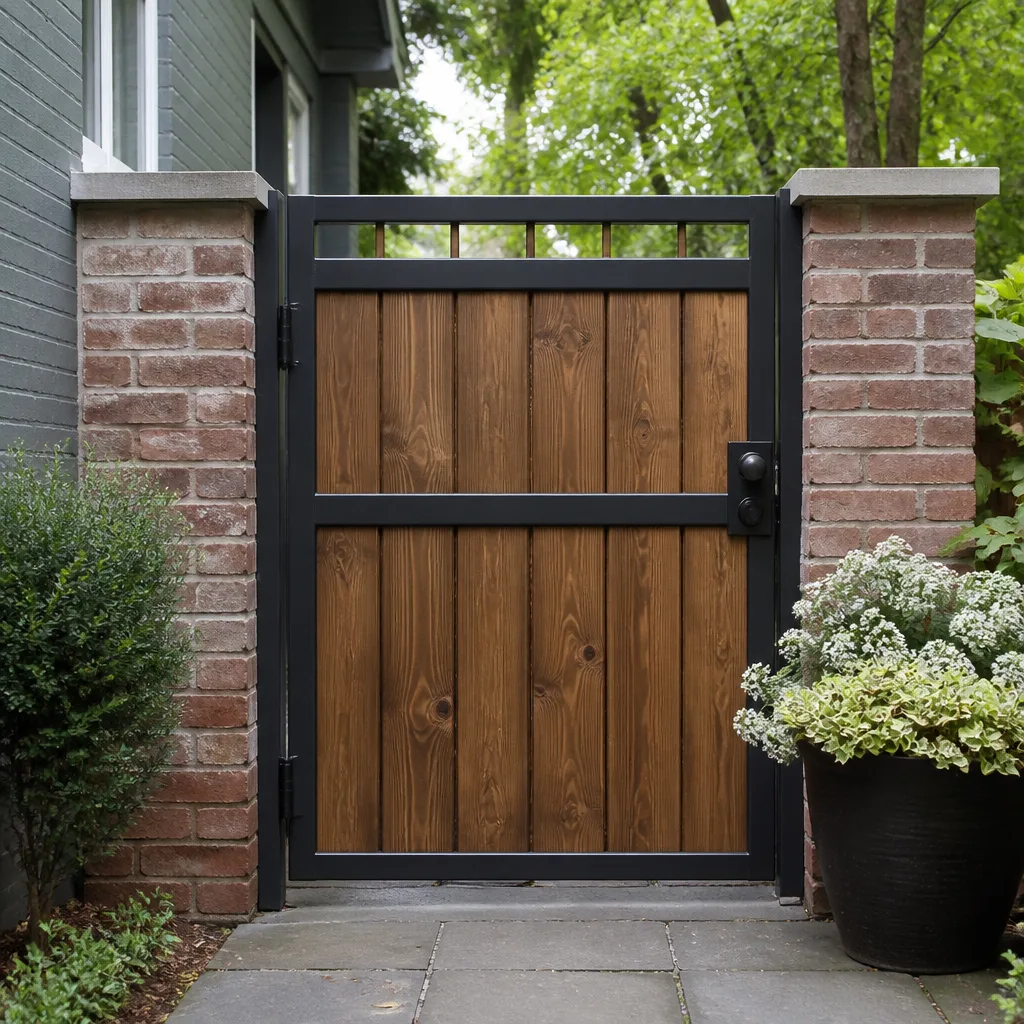
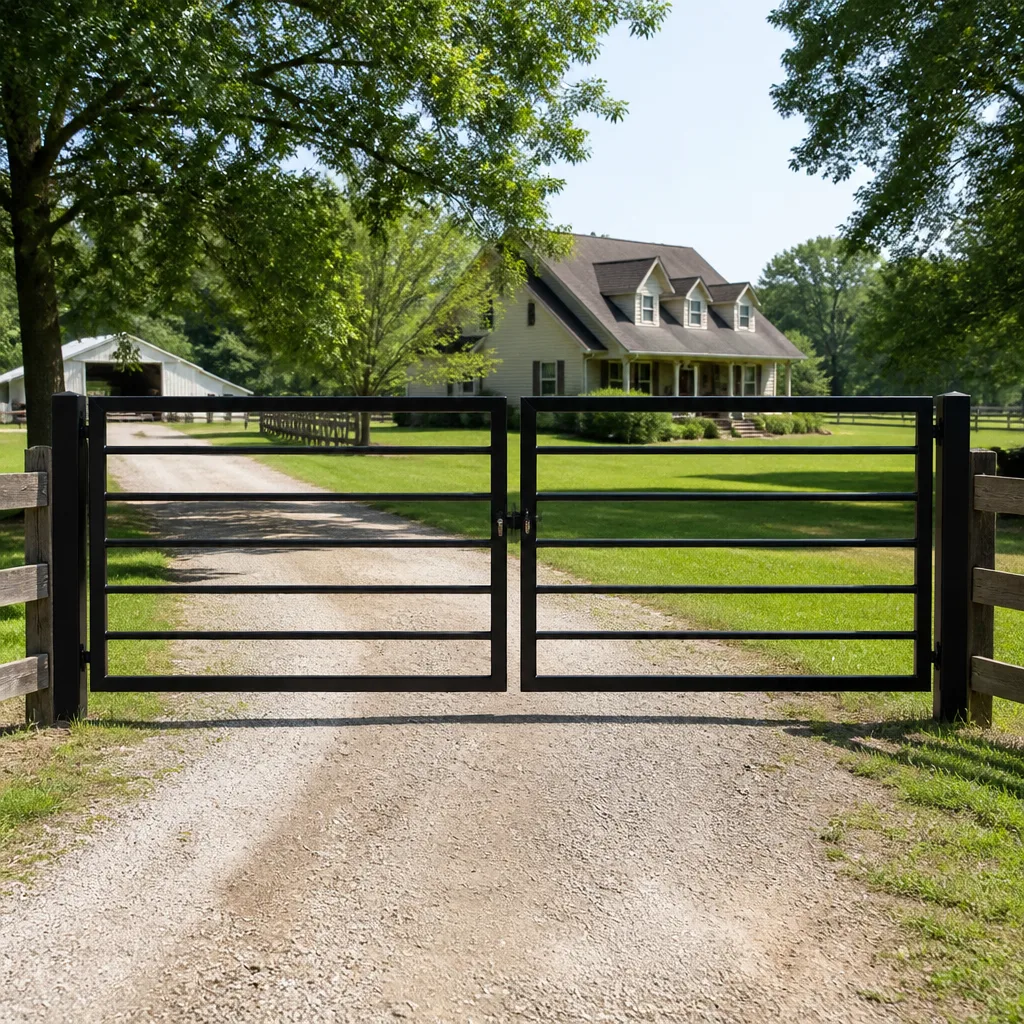
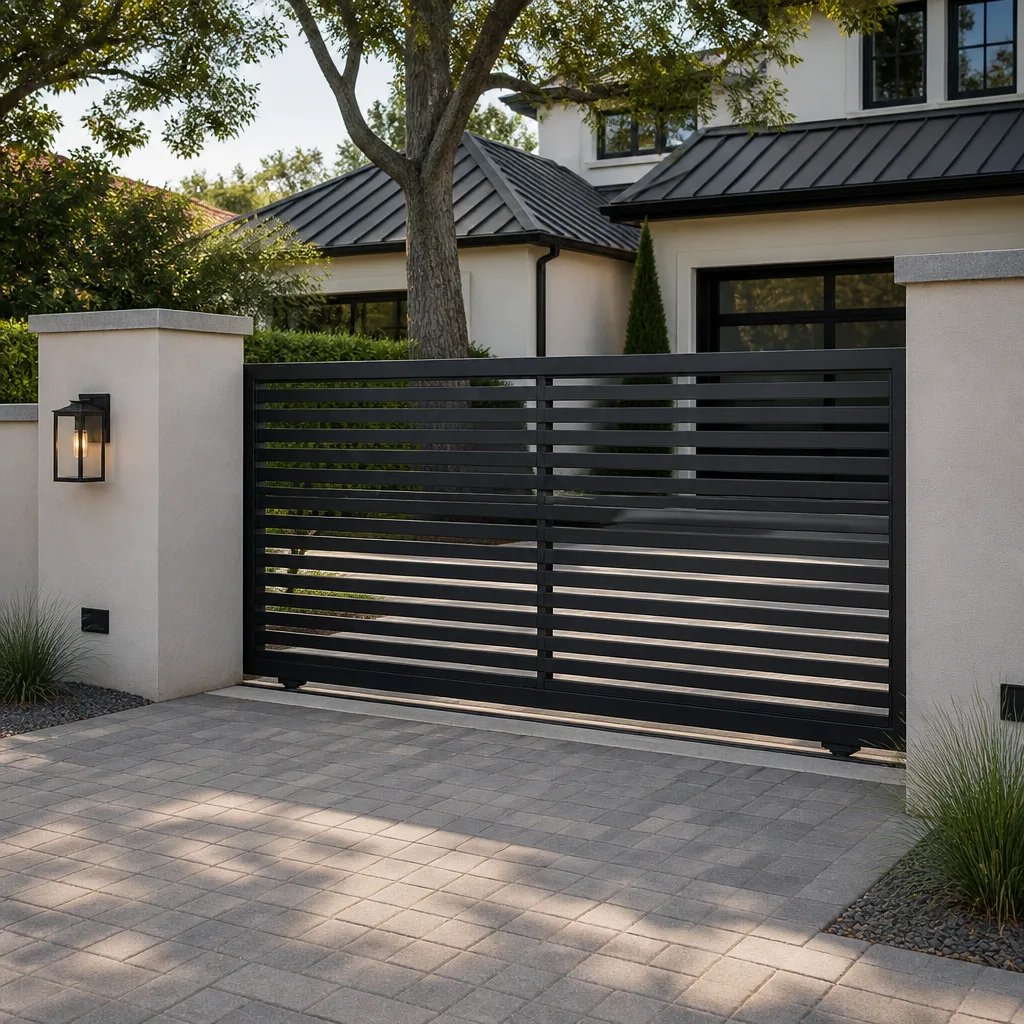
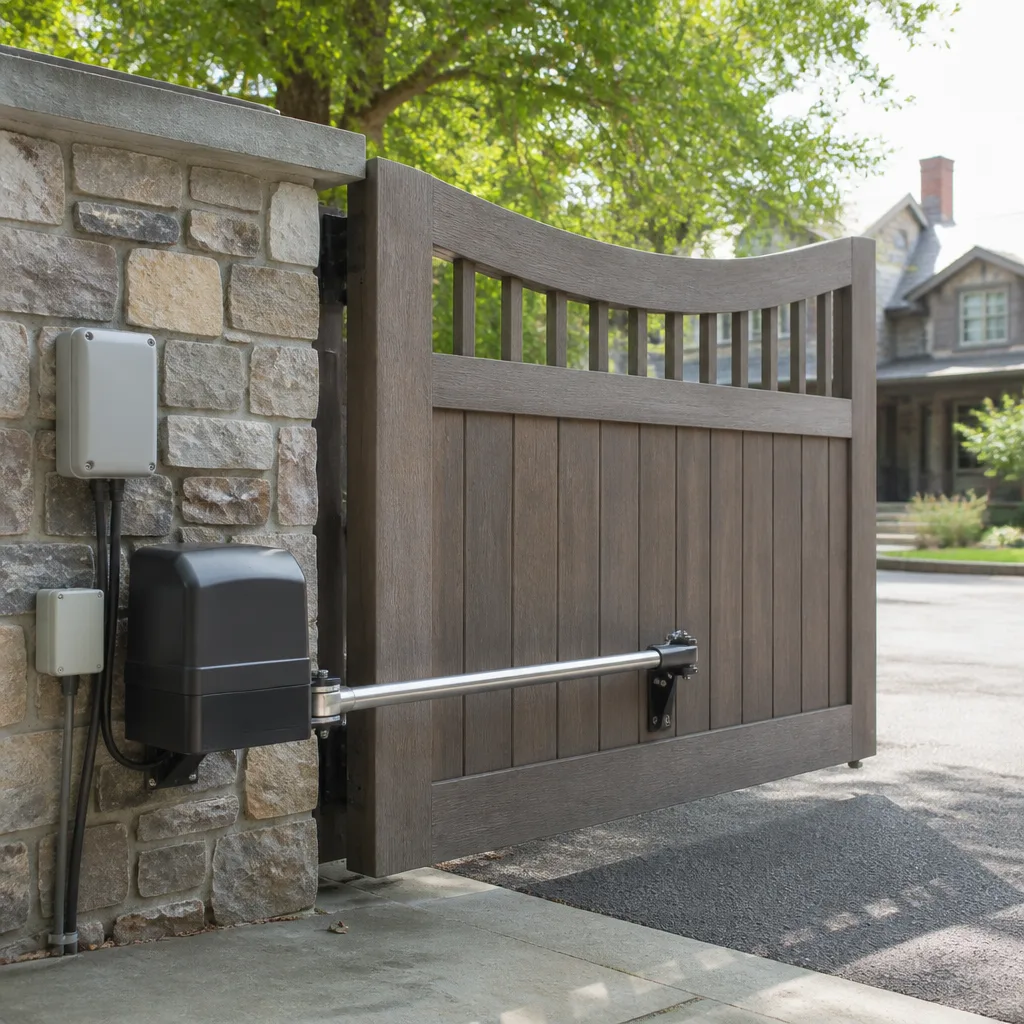
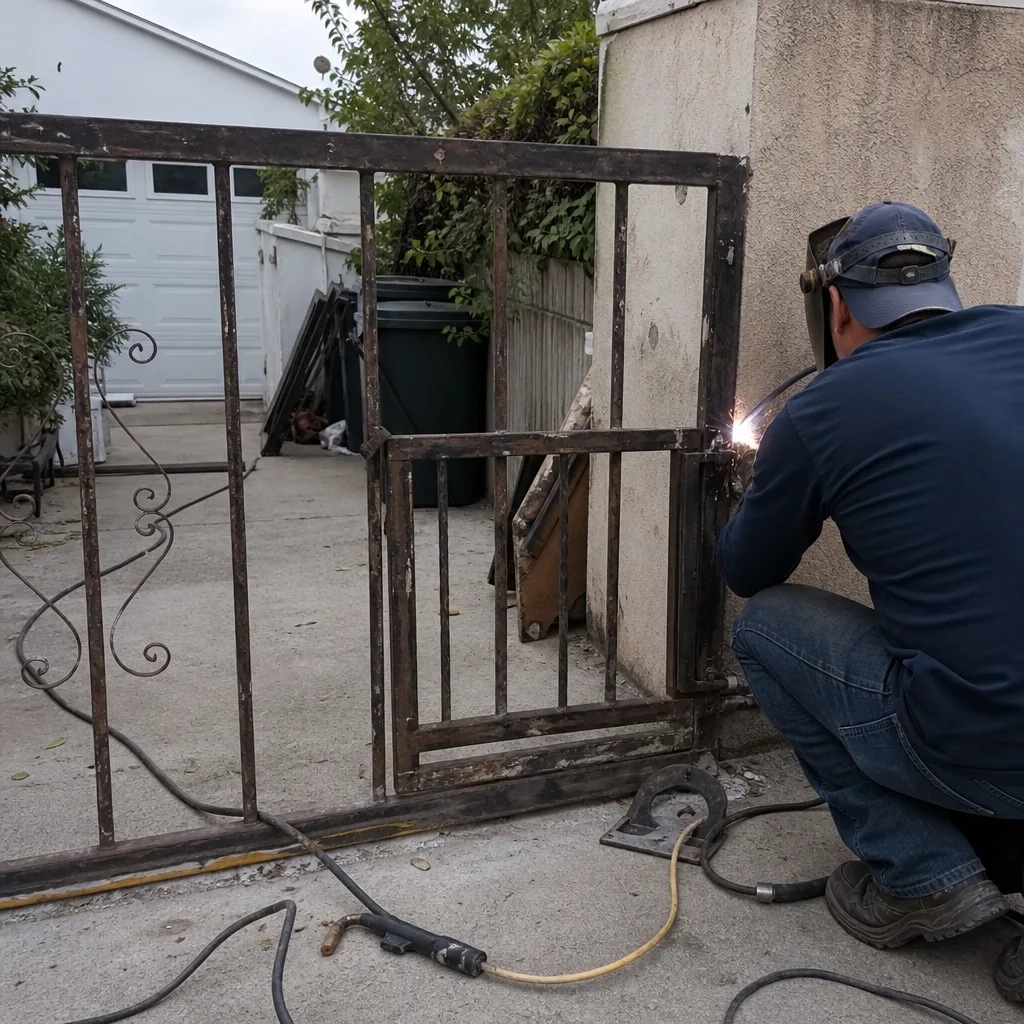 Before
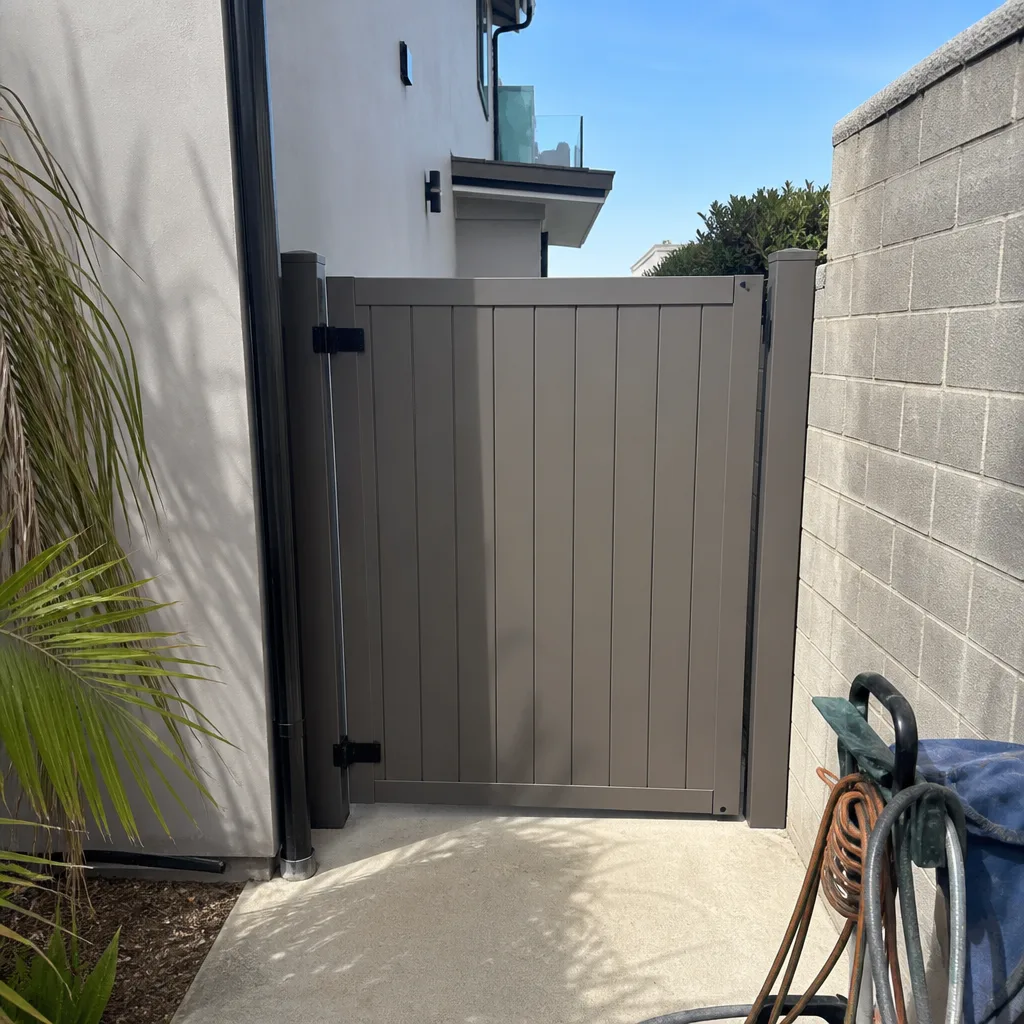 After
After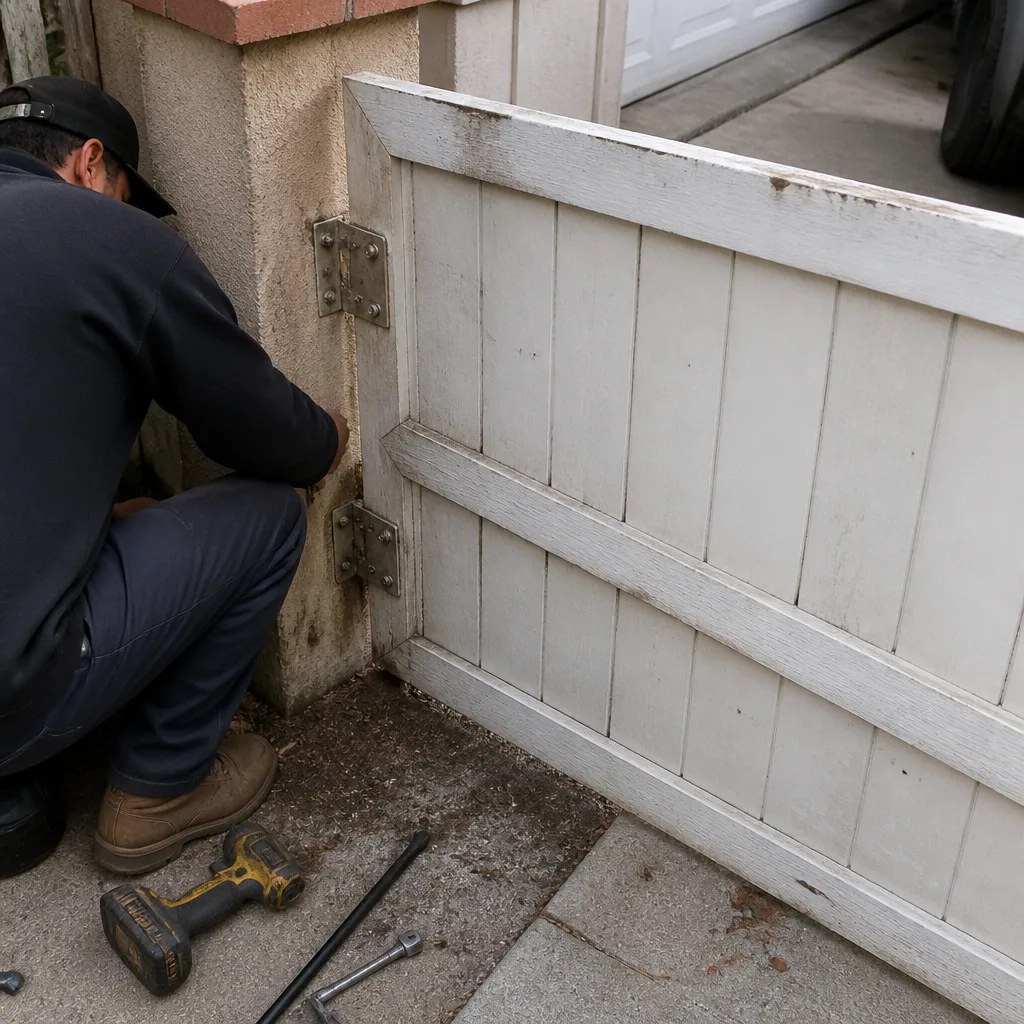 Before
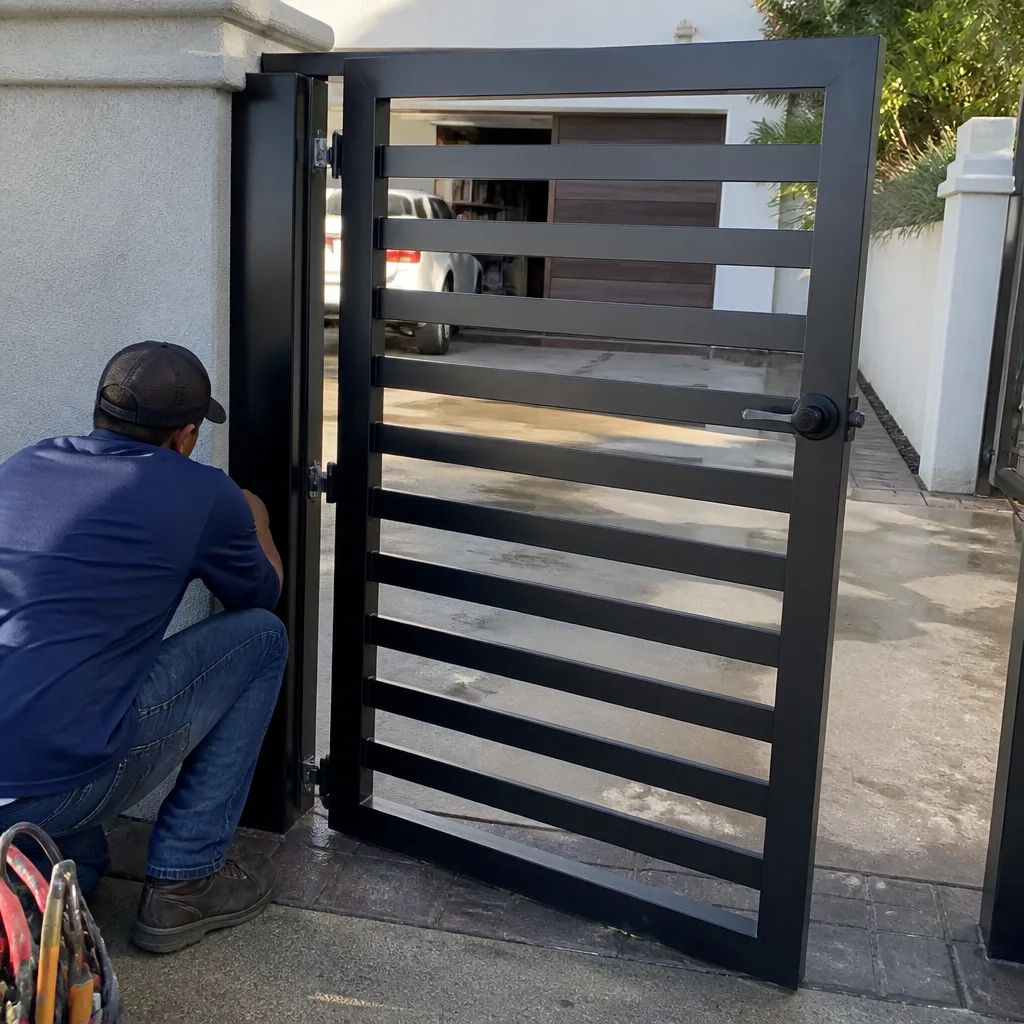 After
After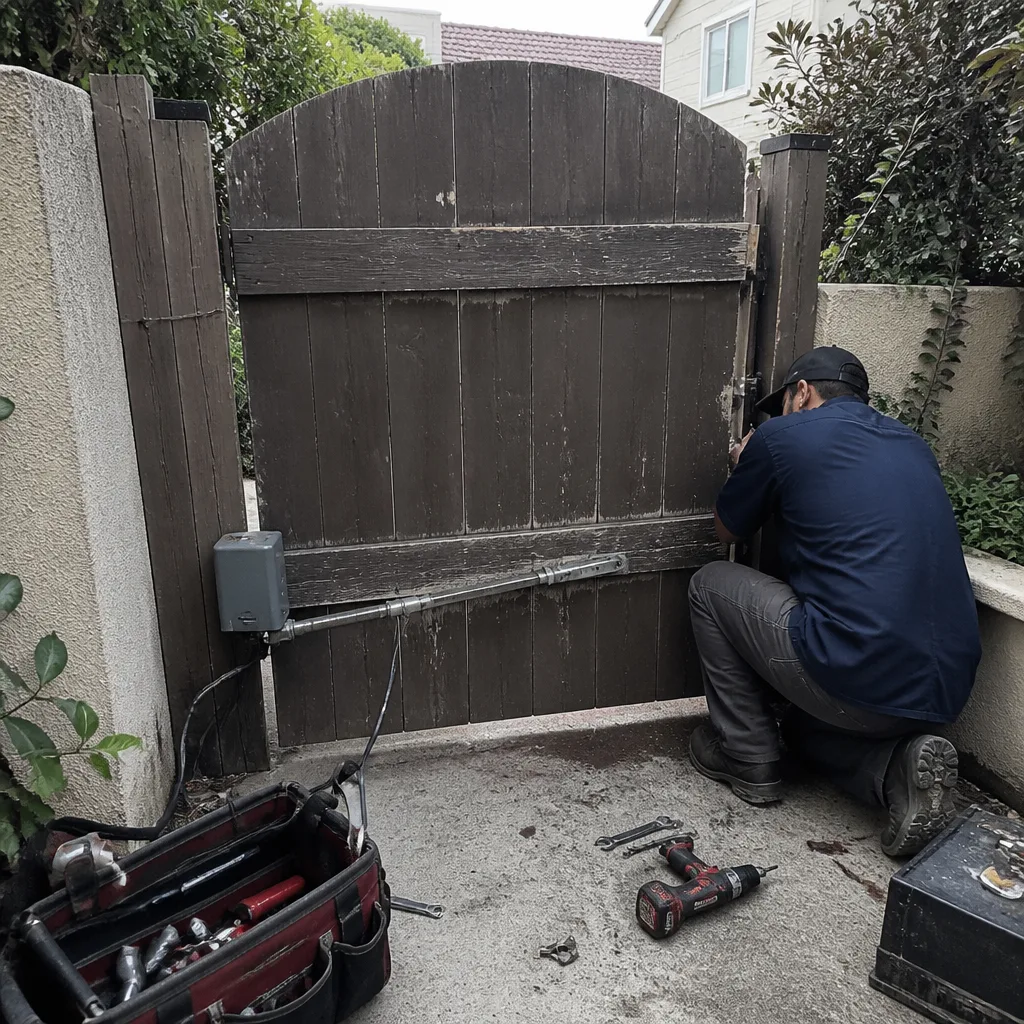 Before
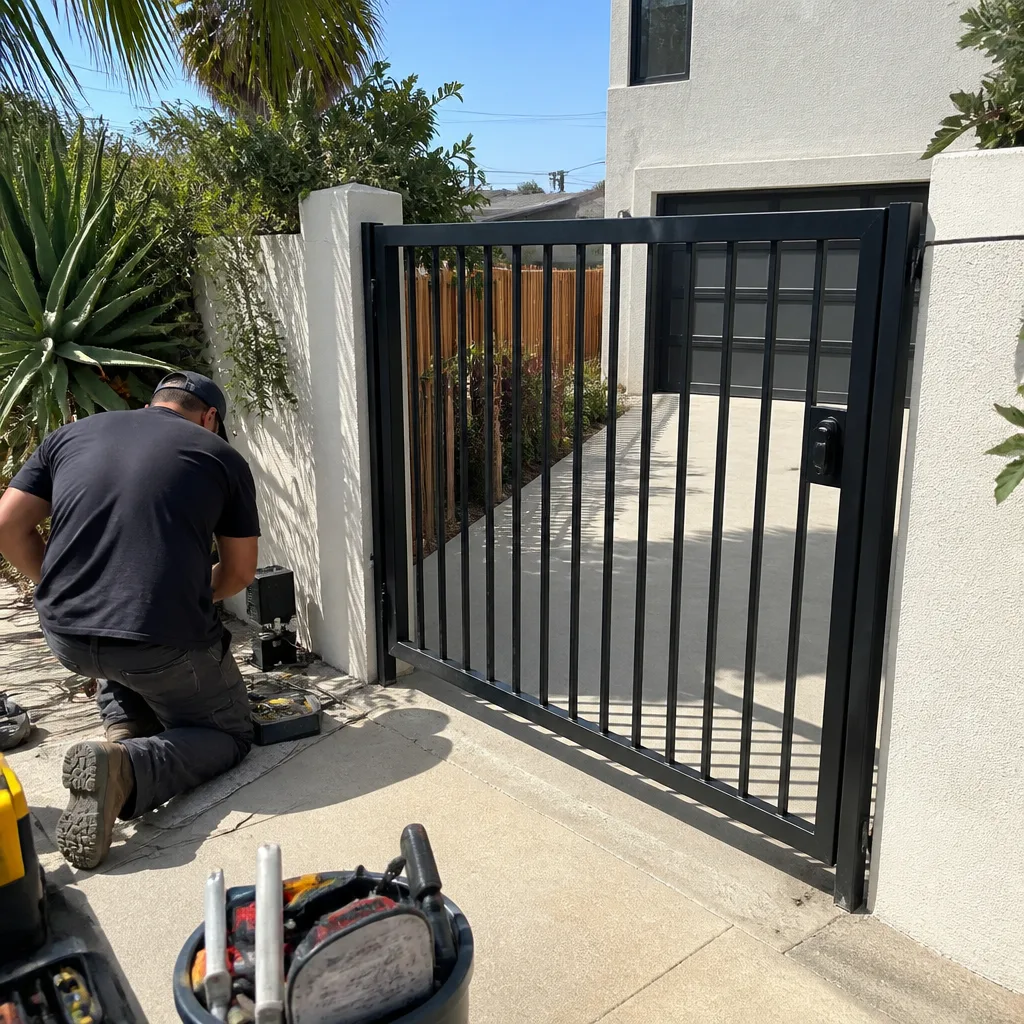 After
AfterGate Repair Permits, Codes & Inspections in CA: What You Need to Know
Most California homeowners assume a gate repair is a simple swap of hinges and a call it done. The truth is murkier. A gate that swings over a public sidewalk in Hermosa Beach falls under different rules than an estate gate twenty feet back from the curb. The state has a patchwork of fire-code requirements, local amendments, and inspection triggers that can turn a $400 hinge replacement into a $2,000 compliance project if you don’t know where you stand before the first wrench turns. This guide walks through the permits, codes, and inspections that actually apply to residential gate work in California, with specifics for the South Bay. By the end, you’ll know what requires a permit, what doesn’t, and how to avoid the expensive fix after the fix.
Quick Answer
Most gate repairs in California, like replacing a hinge, welding a cracked post, or installing a new opener on an existing gate, do not require a building permit. What triggers permits and inspections are new gate installations, automation additions to a gate that didn’t have one, and any work that changes the gate’s swing direction, height, or position relative to the property line. Fire code compliance, specifically emergency access and safety entrapment standards, applies to every electric gate in the state regardless of whether a permit was pulled.
Table of Contents
- When a Gate Repair Needs a Permit in California
- When No Permit Is Required: The Repair vs. Installation Line
- California Fire Code and Your Gate: Emergency Access Requirements
- UL 325 Safety Standards: What Every Electric Gate Must Have
- Hermosa Beach and South Bay Local Requirements
- The Gate Inspection Process: What an Inspector Actually Checks
- Permit Costs and Timelines in the South Bay
- HOA Rules vs. City Codes: Which One Governs Your Gate
When a Gate Repair Needs a Permit in California
Here’s the rule most homeowners never hear stated plainly: repair work that restores an existing gate to its original condition does not need a permit. The California Building Code, specifically the California Residential Code (CRC) Section R105.2, lists work exempt from permit requirements. Item 2 under that section exempts “repairs” defined as the reconstruction or renewal of any part of an existing structure for the purpose of its maintenance. If the gate exists, and you’re fixing it, no permit.
But the line moves fast. The moment the work goes beyond restoration, you’re in permit territory. Here’s a practical breakdown we use when we walk a job site:
- Hinge replacement, post re-welding, wheel or track repair: No permit. This is maintenance of an existing gate.
- Replacing a gate opener with a like-for-like unit: No permit in most cities. The electrical circuit is already there. We do this regularly across the South Bay without pulling anything.
- Installing an opener on a gate that has never had one: Permit required. You’re adding a motorized device to a structure, which triggers electrical review and UL 325 safety compliance.
- Replacing a manual gate with a new gate of a different size, height, or swing direction: Permit required. This is an installation, not a repair.
- Moving a gate post or changing the gate’s footprint: Permit required. Setbacks and property line issues come into play.
In Hermosa Beach, where lots are tight and many homes sit on narrow pedestrian-oriented streets, the swing-over-sidewalk question comes up constantly. If your gate currently swings outward over the public walkway and you’re only replacing the hinge, you’re fine. If you want to change the swing direction so it opens the other way, that’s a change in use of the right-of-way and the city will want a look.
When No Permit Is Required: The Repair vs. Installation Line
Let’s make this concrete, because the difference saves real money. A permit in the South Bay typically runs $150 to $600 for a residential gate project. The engineering drawings, if required, add another $300 to $800. That’s before any contractor labor. Knowing which side of the line you’re on before you call anyone is worth the time it takes to read this section.
Here’s the practical test we apply on every job in Hermosa Beach and throughout the South Bay:
- Is the gate existing and staying in its current location? If yes, and the work is repair or replacement of parts, no permit.
- Is anything about the gate’s physical dimensions, height, weight, or position changing? If yes, a permit is likely.
- Is this a brand new gate where none existed before? If yes, a permit is required. No exceptions.
- Is automation being added to a gate that was previously manual? If yes, a permit is required in most jurisdictions.
- Is an existing automated gate opener being swapped for a newer model of the same type? No permit, but the new opener must meet current UL 325 standards.
We see the same scenario play out in the Hill Section of Hermosa Beach: a homeowner has a 30-year-old steel gate with a worn opener. The gate itself is solid. We replace the opener arms, swap the control board, tune the hinges. No permit. The bill is a fraction of what a full replacement would cost. Conversely, a homeowner on The Strand wants a new custom gate that swings inward instead of outward to gain a few feet of walkway space. That one goes through the city plan check, because the swing change alters pedestrian traffic flow on a public walkway.
The key phrase in the code is “maintenance.” Replacing a part that wears out is maintenance. Changing how the gate functions is construction.
California Fire Code and Your Gate: Emergency Access Requirements
This is the section that surprises homeowners the most. The California Fire Code (CFC) treats your driveway gate as an access point for emergency vehicles, even if you think of it purely as a security feature. Fire engines are wide, heavy, and they don’t wait. If your gate can’t be opened quickly by fire personnel, the gate is a code violation, full stop.
The core requirements under CFC Sections 503 and 506 are:
- Emergency access width: For a driveway serving a single-family home, the Fire Department needs a clear opening of at least 12 feet wide and 13 feet 6 inches tall where a gate crosses the driveway if that driveway is being counted as fire apparatus access. Many properties in Hermosa Beach are exempt from the full apparatus access requirement because of lot size and street width, but if your home is on a hillside or a flag lot, the requirements tighten.
- The Knox requirement: The Los Angeles County Fire Department, which serves Hermosa Beach, has adopted Appendix D of the CFC. That means any gate that blocks emergency access must be equipped with a Knox key switch or a Knox padlock. A Knox switch is a standardized lock that fire departments carry a master key for. Without it, firefighters cannot open your gate without destroying it.
- Battery backup: Since 2016 in most Southern California jurisdictions, new automatic gate openers must have a battery backup that operates the gate for a minimum of 10 cycles during an outage. This is a fire-safety issue: a power outage during a fire event cannot be the reason emergency personnel can’t get in.
In our experience across Hermosa Beach and Manhattan Beach, the Knox switch is the single most overlooked compliance item on existing automated gates. It costs a few hundred dollars to add, and it’s the first thing a fire inspector looks for when there’s any kind of plan check or re-inspection on the property. If you’re doing a permitted gate project, plan for the Knox switch as part of the scope. If you’re repairing an existing gate and the Knox switch is missing, we strongly recommend adding it even though the repair itself doesn’t require a permit. The fire inspector can cite you independently of any building permit.
UL 325 Safety Standards: What Every Electric Gate Must Have
UL 325 is the safety standard that governs automated gate operators in the United States. It’s not a California law itself, but the California Building Code incorporates it by reference, which makes it enforceable code. Any new electric gate installation in California must comply with UL 325. That’s non-negotiable.
Here’s what UL 325 requires on a residential gate operator, in plain terms:
- Entrapment protection devices: The gate must have at least two independent safety devices. Most commonly, this means photo eyes (sensors that detect an obstruction and reverse the gate) plus a reversing edge or a current-sensing mechanism in the motor. One device is never enough under UL 325.
- Maximum force limits: The operator’s internal clutch or current sensor must be set so the gate stops and reverses when it encounters resistance within certain force thresholds. This prevents a gate from crushing a child or a pet.
- Warning signage: Every automated gate must have two warning signs affixed: one on the gate itself, one on the operator housing or nearby. The sign must reference the specific gate type (slide or swing) and warn against entrapment.
- Wireless controls: If the gate has remote transmitters, they must be designed so they can’t be activated accidentally. Monitored entrapment protection controls must be located in a line-of-sight position.
- K-type entrapment protection: This is the technical term for the combination of external sensors and internal motor monitoring that creates the two independent systems. If either system fails, the gate must stop operating, not continue blindly.
We service nine opener brands, including LiftMaster, DoorKing, and Mighty Mule, and the UL 325 compliance differences between them are real. Older DoorKing slide operators from the 1990s and 2000s often lack the entrapment protection required on new installations. A like-for-like swap of an old DoorKing for a newer DoorKing is fine, but adding a used opener from another brand on a permitted job may not pass inspection if the safety devices don’t match current UL 325 requirements.
Here’s the part that matters for a homeowner in Hermosa Beach living with an existing automated gate: if your gate is old and the safety devices have been disconnected, bypassed, or never worked, that gate is a liability on two fronts. First, it’s a code violation. Second, if a child or pet is injured, your homeowner’s insurance will ask whether the gate met UL 325. The answer, if it didn’t, changes what the insurer pays. We flag this on every service call, not to upsell, but because no one should live with a gate that can’t sense an obstruction.
Hermosa Beach and South Bay Local Requirements
Hermosa Beach sits within Los Angeles County, which means the base building code is the California Building Standards Code as amended by the Los Angeles County Department of Public Works. But Hermosa Beach, like most cities in the county, has adopted local amendments. The Hermosa Beach Community Development Department handles building permits and plan checks for the city, with fire plan review handled through the Los Angeles County Fire Department.
What this means practically for gate work in Hermosa Beach:
- Plan check trigger: Any gate project that requires a permit also requires a plan check. Hermosa Beach runs plan checks through its building counter, and for automated gates, the plans go to fire review as well. Residential gate plan checks are typically 2 to 4 weeks in Hermosa Beach, slower in peak summer.
- Height limits: Hermosa Beach zoning regulates fence and gate heights. In most residential zones, front-yard gates and fences are limited to 42 inches in height if they’re within the required front setback. Side and rear gates can go to 6 feet in many zones, but corner lots have additional sight-line restrictions. A gate that exceeds these heights triggers a zoning review even if the building work would otherwise be simple.
- Corner lot restrictions: Hermosa Beach is dense, with many corner lots near the beach and in the tree streets. Corner lots have sight triangle requirements: the gate cannot obstruct the view of drivers approaching the intersection. This can force a lower gate or a set-back placement.
- Coastal zone overlay: Parts of Hermosa Beach fall within the California Coastal Zone, which means projects may require Coastal Development Permit review in addition to building permits. The City of Hermosa Beach has a certified Local Coastal Program, so the process is handled at city hall rather than the Coastal Commission, but the review still adds time and paperwork for new gate installations west of certain boundaries.
In our experience, the biggest delay for gate permits in Hermosa Beach is not the building review. It’s the fire review. The county fire plan check can take weeks, and a missing Knox switch detail or an unclear emergency access note will bounce the plan back. If you’re planning a new automated gate in Hermosa Beach, budget for the fire review time. It’s not optional, and it’s not fast.
The Gate Inspection Process: What an Inspector Actually Checks
If your gate project does require a permit, here’s what the inspection process looks like, step by step. We go through this multiple times a year in the South Bay, and the inspectors are generally reasonable, but they have a checklist and they work through it.
- Post installation inspection: The building inspector checks that the gate posts are set at the correct depth, properly anchored, and that the footing meets code for size and concrete. Underground post depth in California is typically 36 inches minimum for a gate post on a residential driveway gate, but Hermosa Beach may require deeper for taller or heavier gates.
- Gate and operator installation inspection: Once the gate is hung and the operator is mounted, the inspector verifies that the gate swings or slides freely, that the operator is properly secured, and that the wiring is legitimate. They’ll look for exposed conductors, missing conduit, or homeowner-grade extension cords anywhere on the line.
- UL 325 safety device check: The inspector will test the photo eyes by passing an object through the beam while the gate is closing. They’ll test the reversing edge or current sensor by applying pressure to the gate’s leading edge. Both systems must independently stop and reverse the gate. This is the most common failure point.
- Knox switch verification: If the fire department reviewed the plans, the building inspector will confirm that a Knox switch or Knox padlock is installed at the approved location. They won’t test it with a fire key, but they’ll verify it’s there and that it’s mounted at the specified height.
- Final sign-off: Once all items pass, the inspector signs the permit card and the project is closed out. If any item fails, the permit remains open until a re-inspection. Re-inspection fees are typically $100 to $200 per visit in the South Bay.
The fastest we’ve seen a full permitted gate install pass inspection in Hermosa Beach is one round. The most common reason for a failed inspection is the UL 325 safety system not performing under test conditions. The photo eyes get bumped out of alignment during installation, or the current sensor is set too low for the operator’s torque. That’s why we test every safety device before the inspector arrives. It’s not about gaming the inspection. It’s about not wasting the inspector’s time or the homeowner’s money on a re-inspection fee.
Permit Costs and Timelines in the South Bay
Permit fees in the South Bay are not standardized. Each city sets its own fee schedule, and the totals depend on the project’s valuation. Here’s what we’ve seen on recent residential gate projects:
- Building permit fee for a new automatic gate installation: $250 to $600 in Hermosa Beach, depending on stated project value. The city uses a valuation-based fee table.
- Plan check fee: Typically 65% of the building permit fee, so $160 to $400 for a straightforward residential gate.
- Fire plan check fee through LA County Fire: $150 to $300 for residential automated gate projects.
- Electrical permit (if the opener requires a new circuit): $100 to $250, pulled by the electrician or as part of the building permit in some cities.
- Knox switch purchase and installation: $300 to $500 for the switch, matching bracket, and labor.
Total cost for a fully permitted new automatic gate in Hermosa Beach typically lands between $800 and $1,500 in fees before any gate hardware. That’s real money, but it’s money well spent: a permitted gate is a documented gate. When you sell the home, the unpermitted gate is a disclosure item, and buyers in the South Bay know to ask.
Timeline is the part homeowners find hardest. Here’s a realistic sequence for Hermosa Beach:
- Submit plans and application: Day 1.
- Plan check turnaround: 2 to 4 weeks for a clean submission. Longer if corrections are needed.
- Permit issuance: Within a week of plan check approval, assuming fees are paid.
- Construction and installation: 2 to 5 days for most residential gate projects.
- Inspections: Scheduled 1 to 3 days out in most cases.
Total elapsed time from application to final sign-off: roughly 5 to 8 weeks in Hermosa Beach, assuming no plan check corrections. This is why we always recommend starting the permit conversation early. A gate that fails in August should not wait until the permit is issued to get fixed. The repair can proceed without a permit, and the permitted work can follow if the homeowner wants to upgrade the gate while we’re there.
HOA Rules vs. City Codes: Which One Governs Your Gate
Hermosa Beach has fewer large HOAs than Torrance or Redondo Beach, but gated communities and small planned developments do exist in the South Bay. When an HOA is in the picture, the rules layer on top of the city codes rather than replacing them. You must satisfy both.
Here’s how the hierarchy works:
- City code: Sets minimum safety, structural, and zoning requirements. The city will not issue a permit for a gate that doesn’t meet code, regardless of what the HOA says.
- HOA CC&Rs: Set aesthetic and use standards. The HOA can require a specific gate style, color, or material. It can prohibit certain gate types entirely. It cannot approve a gate that doesn’t meet city code, though HOAs sometimes try.
- Fire code: Overrides both. A Knox switch requirement is not waived by HOA rules, and an HOA that tries to prevent fire department access is violating the law.
The practical advice is simple: before ordering any custom gate work in a managed community, read the CC&R section on fences, gates, and exterior modifications. Some HOAs require architectural committee review before any gate work, including repairs that don’t need a city permit. The review can take 30 to 60 days, which is longer than the city plan check. This is a timeline issue, not a compliance issue, but it catches homeowners by surprise every time.
Common Mistakes to Avoid
- Skipping the Knox switch on a permitted job: The fire department will not sign off without it, and adding it after the fact means a re-inspection and a delay. In Hermosa Beach, the Knox switch is not optional on any gate that blocks emergency access.
- Assuming a “repair” is automatically permit-free: Replacing a manual gate with a new gate of a different size is an installation, not a repair, even if you reuse the same posts. Homeowners invite trouble when the gate’s height or position changes and no permit was pulled.
- Ignoring UL 325 on an old automated gate: If the photo eyes were never installed or have been bypassed, the gate is a liability. We see this regularly on older homes in the Hermosa Beach tree streets where the gate was automated by the previous owner.
- Not checking corner-lot sight triangles: A beautiful new gate on a corner lot can violate the city’s sight-line rules, and the fix is not a hinge adjustment. It’s a shorter gate or a relocation.
- Ordering a gate before the permit is approved: Custom gates take 4 to 8 weeks to fabricate. Permits take 5 to 8 weeks on a clean submission. The sequence should be: permit first, fabrication second. Reversing that order means a fabricated gate sitting in the driveway while the city finishes its review.
- Forgetting the battery backup on a new opener: California has required battery backup on new automatic gates since 2018 for residential installations in most jurisdictions. We’ve seen older inventory openers sold without backup and installed on permitted jobs, which fails inspection.
- Treating an HOA approval as a substitute for a city permit: The HOA’s sign-off does not satisfy the building department. We’ve worked on homes in gated South Bay communities where the homeowner believed the HOA handled everything. The city closed the permit case only after a code enforcement complaint.
When to Call a Professional
If your gate opener is failing, your gate is sagging on its hinges, or a post has shifted, the repair itself may be straightforward and permit-free. But there are moments where calling a professional before touching anything is the cheapest option. Those moments include: the gate swings over a public sidewalk and you’re considering changing the swing direction; the gate is automated and the safety devices are non-functional; the gate is in a gated community with HOA review; the gate is part of a fire department access point; or the project involves new electrical work. In these cases, the paperwork is as important as the welding. Ironworks Gate Co. offers free estimates in Hermosa Beach, and we walk every job with the permit questions in mind before we quote. Call (279) 263-9485 and we’ll tell you straight what your project needs.
Frequently Asked Questions
No permit is required to replace an existing gate opener with a like-for-like unit as long as the new opener connects to the existing electrical circuit and the gate’s physical configuration doesn’t change. The replacement opener must meet current UL 325 safety standards, which means functional photo eyes and a reversing mechanism. Call (279) 263-9485 if you want a second opinion on whether your repair is truly a repair.
A residential gate permit in Hermosa Beach typically costs between $250 and $600 for the building permit, plus plan check fees of $160 to $400 and fire plan check fees of $150 to $300. Total permit costs for a new automated gate usually land between $800 and $1,500 in fees.
You can install your own opener if the gate is on your own single-family property and you’re comfortable with the electrical and safety requirements. The installation must meet UL 325 standards, including two independent entrapment protection devices, and a permit is required if automation is being added to a gate that didn’t previously have it. We recommend having a certified technician handle the safety system adjustment at minimum.
A Knox switch is a standardized keyed switch that allows fire department personnel to open your gate in an emergency. It’s required on any gate that blocks fire apparatus access in Los Angeles County, including Hermosa Beach. The switch costs roughly $300 to $500 installed.
Unpermitted gate installations are a disclosure item when you sell your home in California. A permitted, documented automated gate adds curb appeal and security value, while an unpermitted one can complicate a sale. We’ve had multiple clients cite an unpermitted gate as a sticking point during a home inspection contingency.
Plan for 5 to 8 weeks from application to final inspection for a permitted gate project in Hermosa Beach, assuming the plans are clean the first time. Fire plan review through LA County Fire is the slowest single step. Call (279) 263-9485 and we can walk you through the exact sequence for your street’s jurisdiction.
The Bottom Line
California gate repair sits on a spectrum. Most repairs are permit-free and can be done same-week. New installations and automation additions require permits, plan checks, fire review, and a safety inspection that most homeowners don’t anticipate. The money and time are real: $800 to $1,500 in fees and 5 to 8 weeks in lead time for a fully permitted job in Hermosa Beach. What you get in return is a gate that’s legal, safe, and documented for the next owner. The worst gate project is the one that has to be redone because a permit was skipped. That’s an expense no one in Hermosa Beach should carry. If you’re planning gate work on your property, call (279) 263-9485 or visit our Ironworks Gate Co. home page. We’ll tell you where your project lands on the spectrum before a single bolt is turned.
Written by Victor Salinas, Owner at Ironworks Gate Co., serving Hermosa Beach since 2013.