
Last updated August 25, 2026
Free on-site gate assessment - hinges, posts, and your LiftMaster or Nice gate operator checked before anything is quoted
The assessment is free and the quote is the invoice.
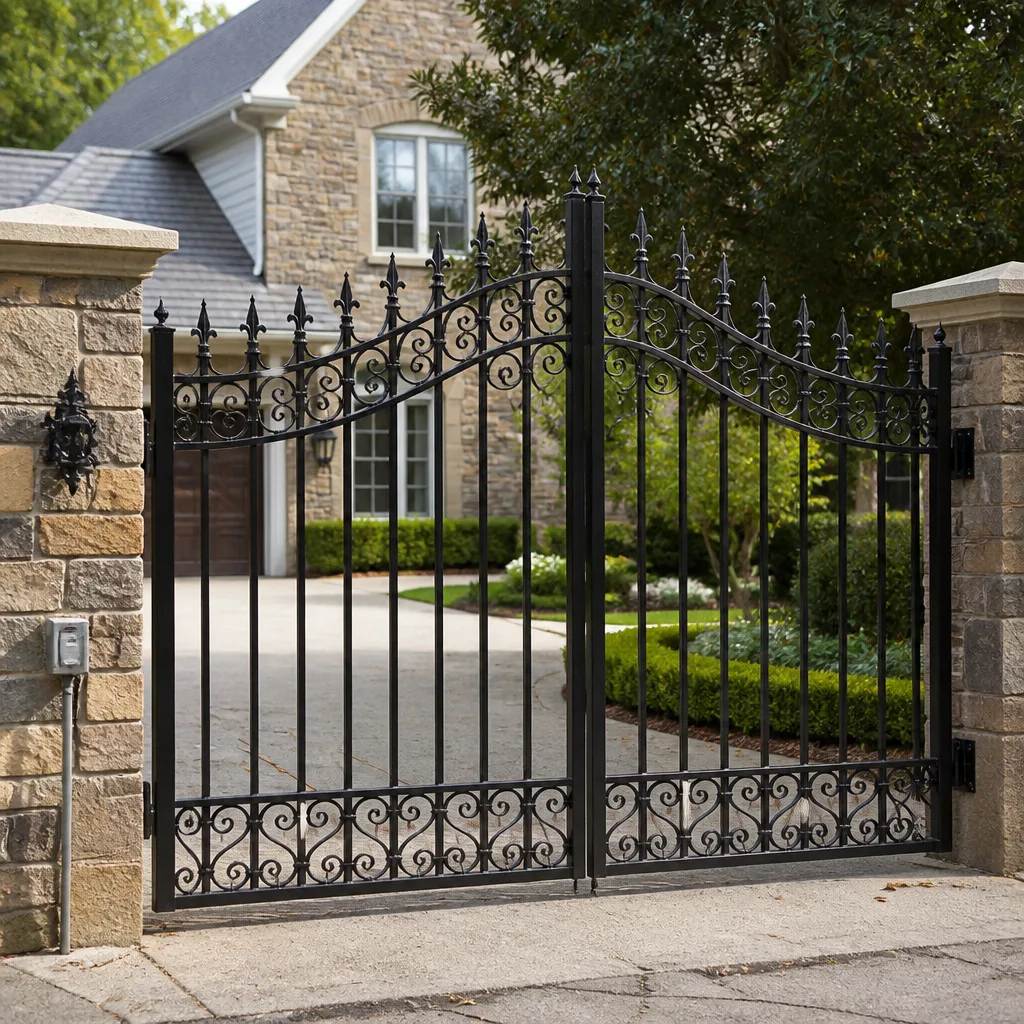
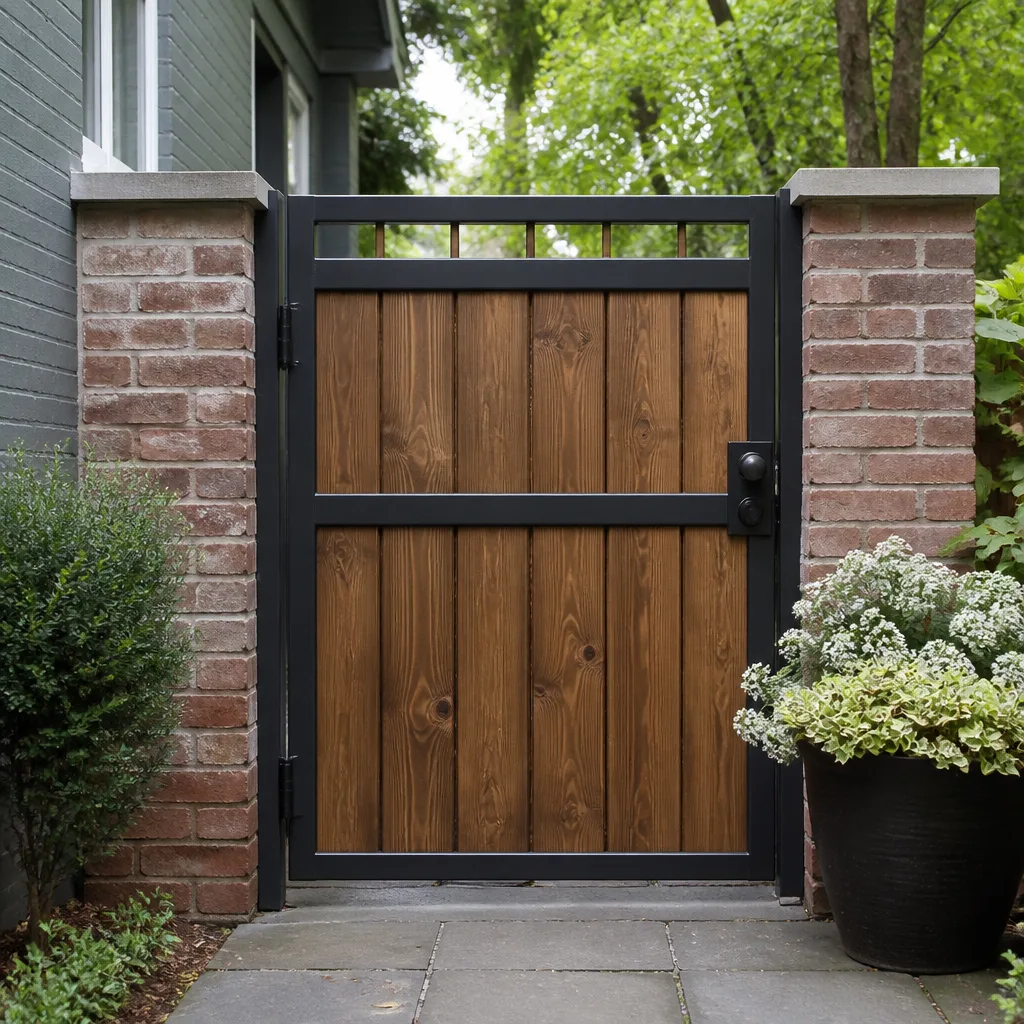
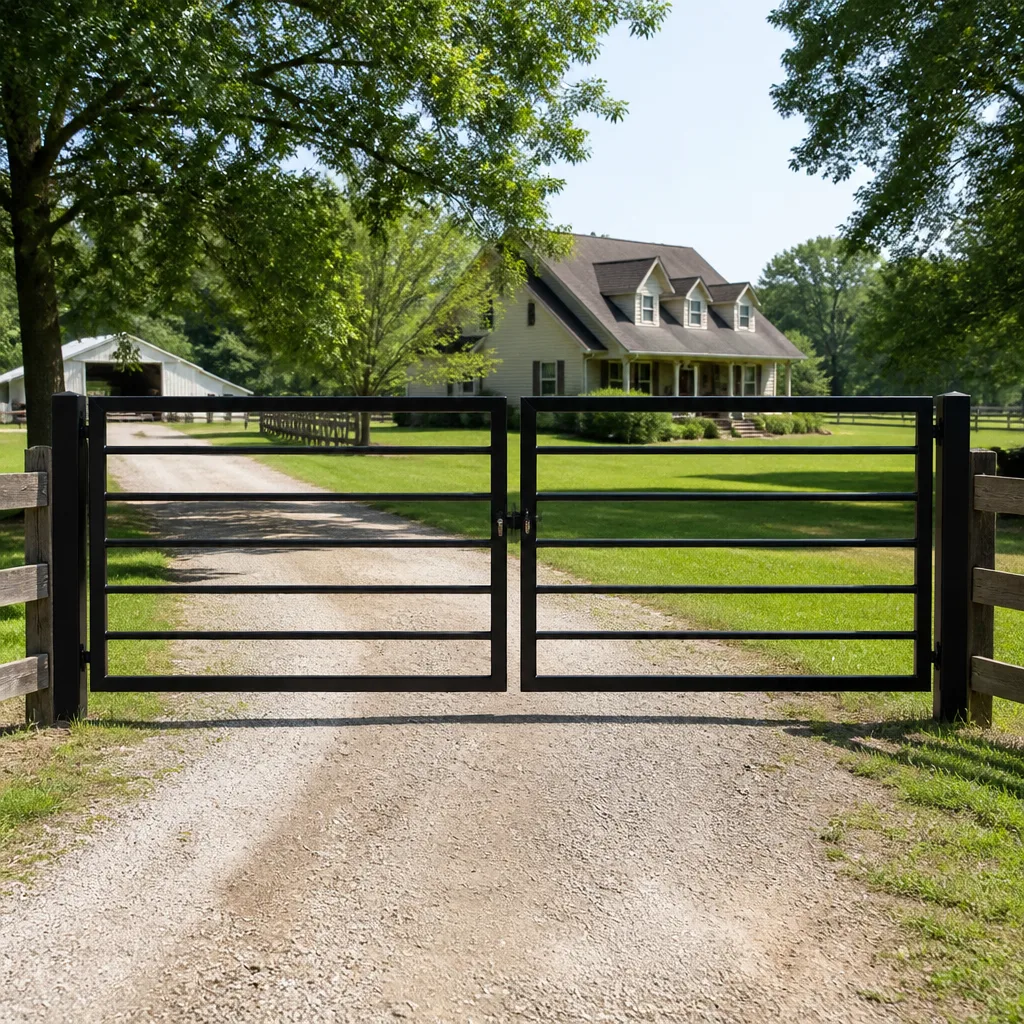
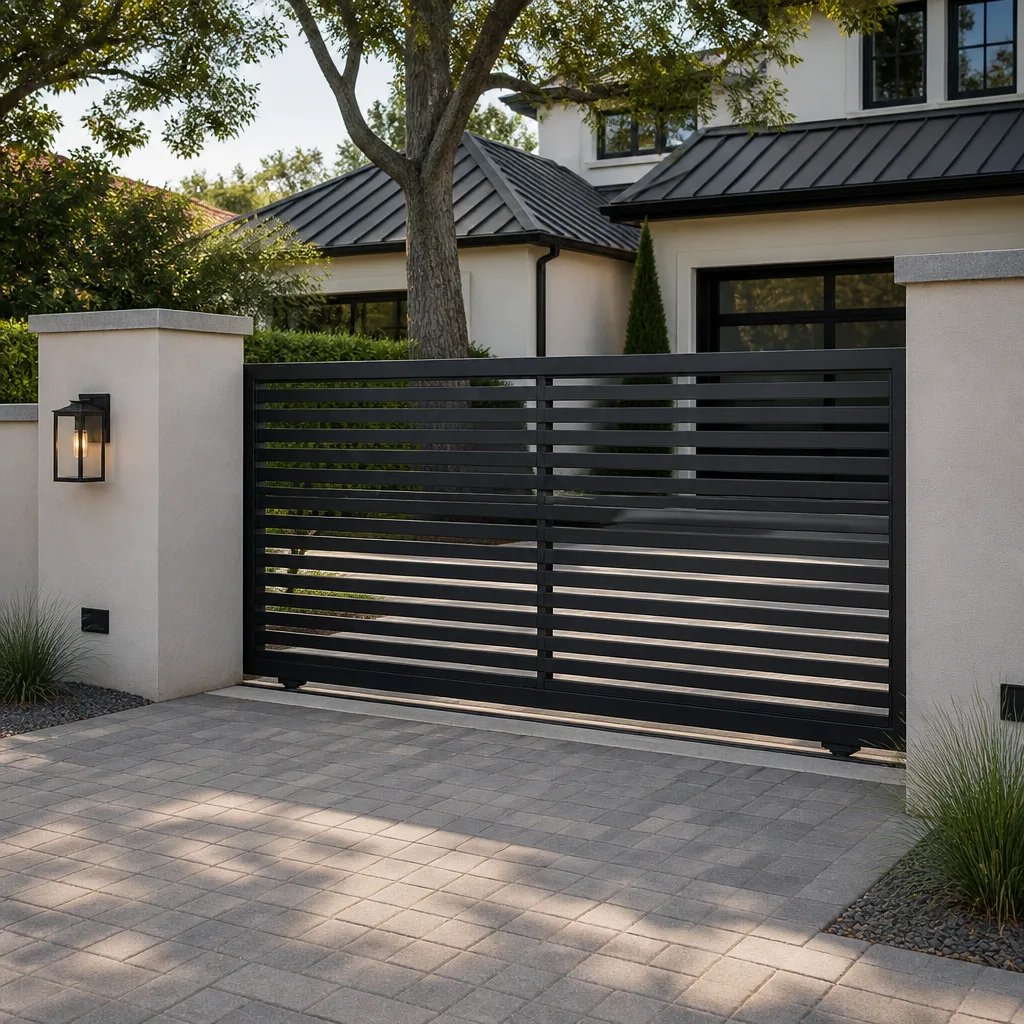
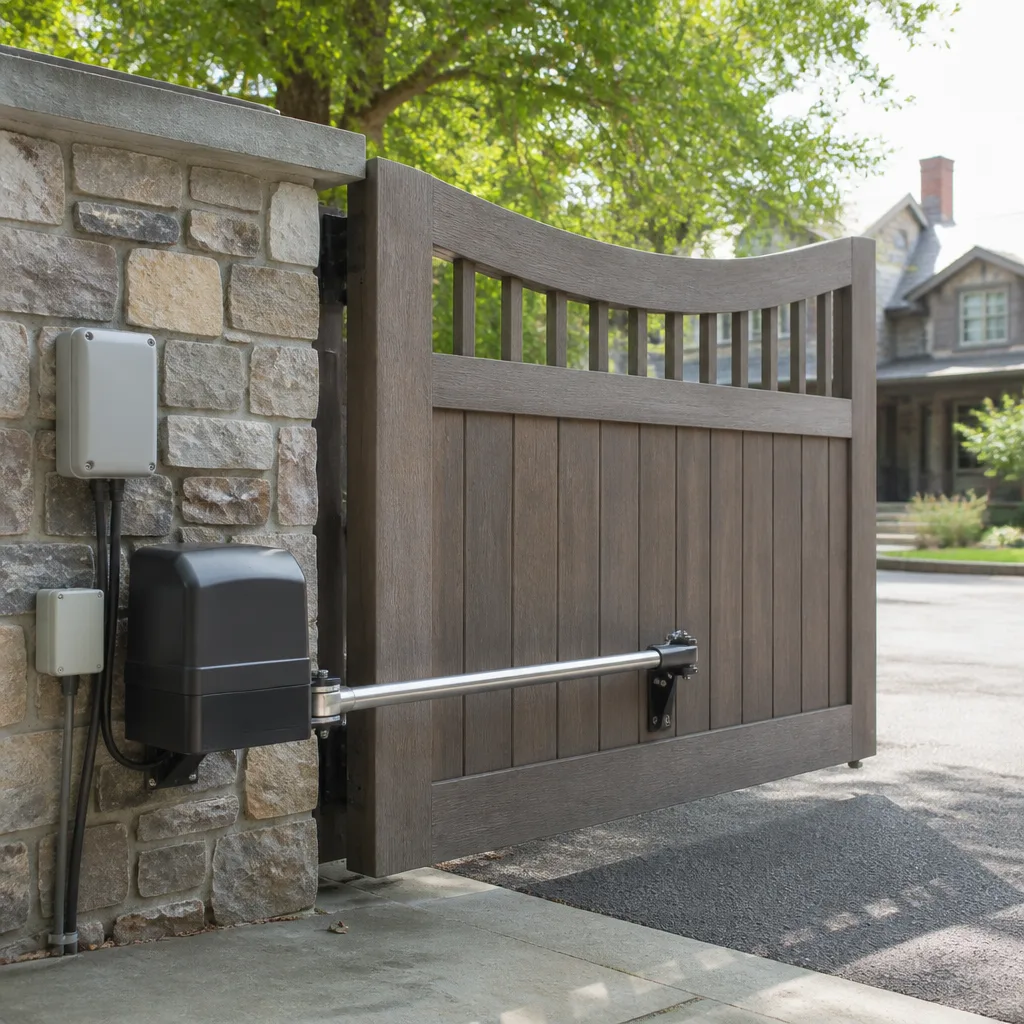
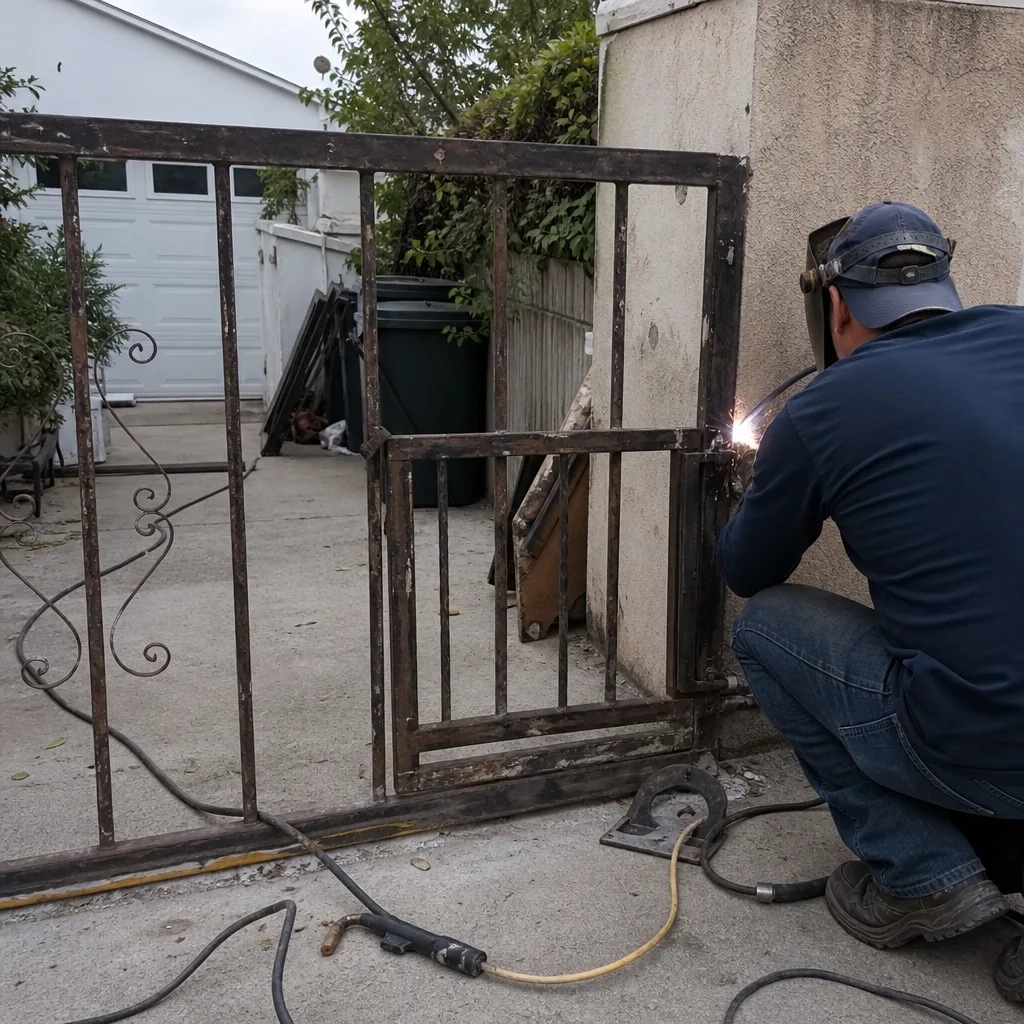 Before
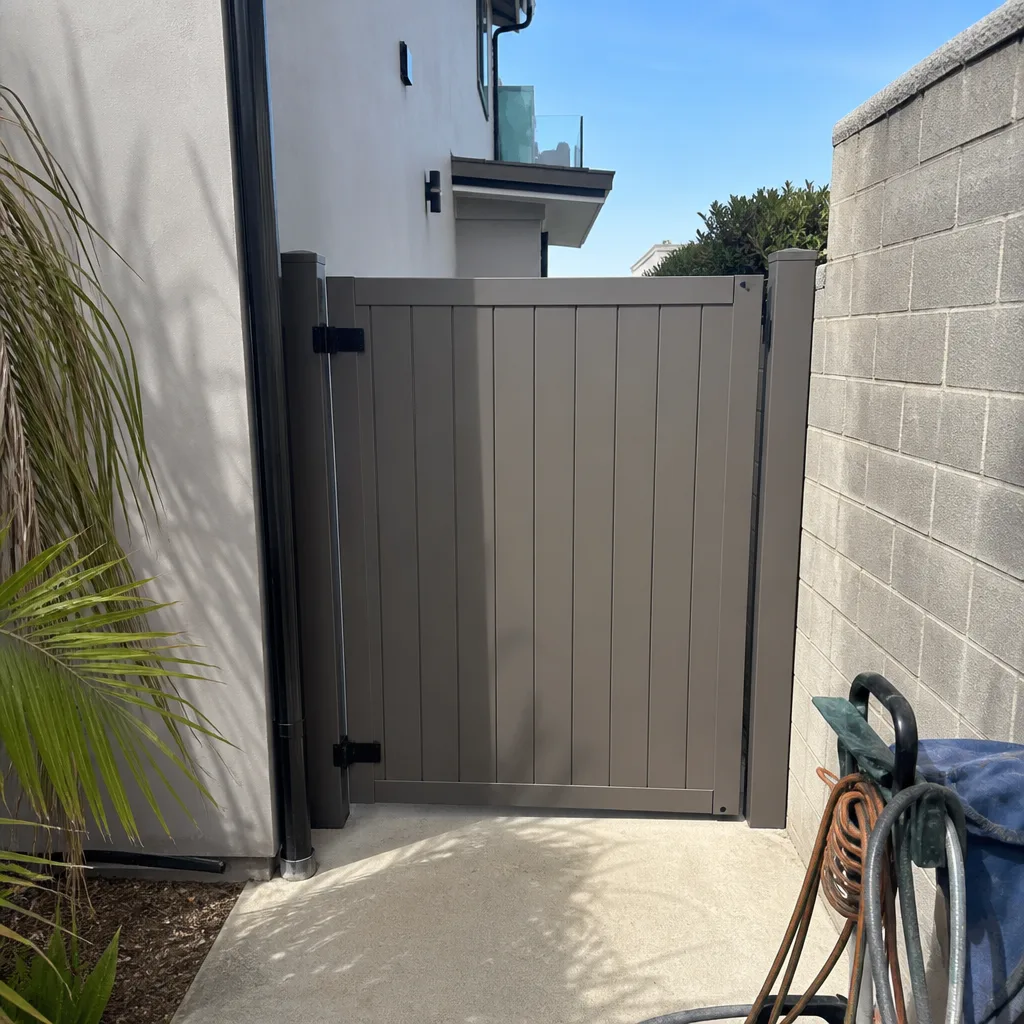 After
After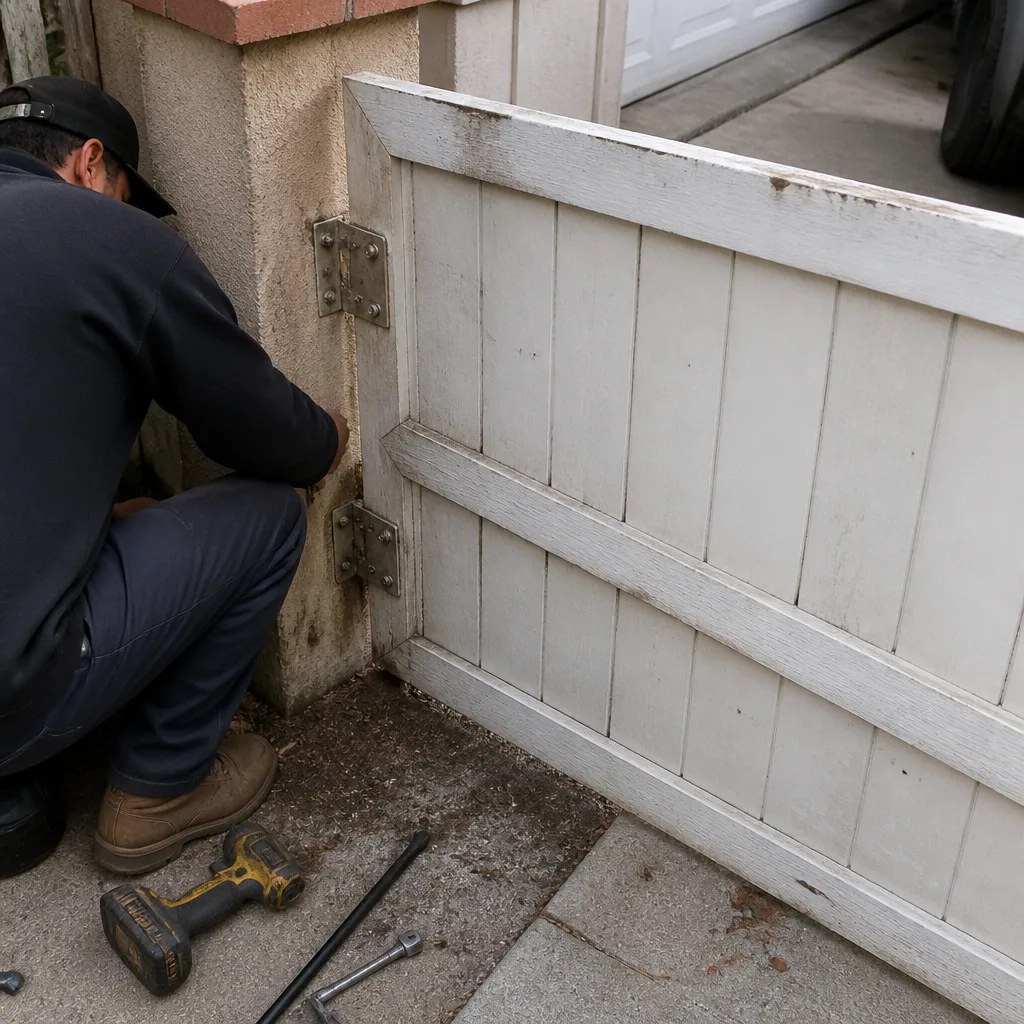 Before
 After
After Before
 After
AfterGate Repair Maintenance Checklist for Hermosa Beach Homeowners
Most gate failures in Hermosa Beach don’t start with a dramatic crash. They begin as a faint squeak near the hinge, a half-second hesitation when the opener kicks on, or a sag you can only see if you squat down and squint at the top rail. Homeowners who catch those early signs spend a few hundred dollars on maintenance over a decade. Homeowners who miss them spend a few thousand on a full rebuild. This guide is built for the person who wants to be the first kind. You’ll learn what to check monthly, what the salt air is doing to your hardware, which repairs are worth doing yourself, and which ones call for a trained hand. And we’ve written it from the perspective of a company that has worked on gates from The Strand up through the Hills for long enough to know exactly how this climate treats metal.
Quick Answer
A Hermosa Beach gate needs a 10-minute visual inspection every month, hinge and roller lubrication every 90 days, and a full professional tune-up once a year. The single most destructive force here is not wear and tear from use. It’s the marine layer. Salt fog works into hinges, rollers, and opener circuitry year-round, and gates three blocks from the water fail measurably faster than gates east of PCH. The annual tune-up – when it includes cleaning, lubrication, bolt-tightening, and opener force testing – prevents roughly 80% of the repair calls we take.
Table of Contents
- The Monthly Walk-Around: What to Look For
- What Hermosa Beach’s Salt Air Does to Gate Hardware
- Lubrication: The 90-Day Job That Prevents Most Repairs
- Opener and Motor Care: The Electronic Half of the Gate
- Seasonal Gates: Top 10 Checklist Items
- Common Mistakes to Avoid
- When to Call a Professional
- Frequently Asked Questions
The Monthly Walk-Around: What to Look For
A gate is not a set-it-and-forget-it machine. It’s a moving assembly of steel, aluminum, or iron that swings or slides under load every single day. The good news: most developing problems are visible. The catch: you have to actually look.
Here is the 10-minute monthly check we recommend for every homeowner in Hermosa Beach, from the avenues down to the beachfront courts. You need no special tools. Just your eyes, your ears, and your hand.
Run the Gate Twice With Your Hand on the Frame
Open and close the gate manually if it has a release handle, or run it on the opener if not. Place your palm flat on the top rail as it moves. You’re feeling for a shutter, a bounce, a hitch – any interruption in smooth travel. A gate that runs smooth is a gate with stable hinges, aligned wheels, and a healthy opener. A gate that shudders is telling you something. Listen too: a steady motor hum is normal. A rising whine, a grind, or a clunk is not.
In Hermosa Beach, we see a specific pattern repeat across neighborhoods. Gates north of Pier Avenue and west of PCH tend to develop corrosion at the bottom hinge first. That’s where the marine layer sits heavy overnight, and where irrigation overspray lingers. Gates in the hill section above Pacific Coast Highway contend with more soil movement and more wind load. Same inspection either way. The failure just shows up in a different spot.
Check for Sag on a Swinging Gate
Stand back about ten feet and look at the horizontal top rail. Is it level? A swing gate that sags even an inch puts enormous strain on the hinge posts and the opener. The gate leaf is a lever, and every ounce of sag translates into multiplied force at the hinge barrel. Left unchecked, a sagging gate will eventually shear hinge pins or tear the post out of plumb.
On a sliding gate, the check is different: watch the wheels as they ride the track. The gate should roll straight, with no sideways shimmy and no lifting of the wheel off the track. If you see day-length under one wheel, that wheel has worn unevenly or the track has settled.
Inspect Visible Hardware: Bolts, Pins, Welds
Take 60 seconds with a wrench-set mentality and just look at the fasteners. Hinge bolts tight? Wheel brackets flush? No movement when you wiggle the gate by hand? On ornamental iron gates in the older sections of Hermosa Beach – the tree streets, the walk streets – we routinely find hinge bolts that have loosened over decades of use. Tightening them early costs nothing. Replacing a wallowed-out bolt hole means drilling and re-tapping, or welding and re-drilling.
Check the welds too, particularly where pickets meet the frame and where the hinge plate attaches. In salt air, a small crack in a weld becomes a rust bloom become a broken picket faster than most people expect. Early weld repair is a $150 to $300 job on most gates. Full picket replacement with matching metalwork usually runs higher, and on custom ornamental gates from some of the original beach cottage builds, matching the patina adds time and cost.
What Hermosa Beach’s Salt Air Does to Gate Hardware
Living in Hermosa Beach means accepting a simple fact: the air eats metal. Not dramatically, not quickly, but constantly. The marine layer that rolls in most evenings carries fine salt particles. When those particles land on steel or aluminum, they accelerate oxidation. A gate ten blocks inland from the sand will age differently than a gate on The Strand. Both still need protection.
Here is what we actually see in gates around Hermosa Beach, based on the service calls we answer:
- Bottom hinges fail first. Salt and moisture collect at the lowest point of any assembly. On drive gates, the bottom hinge also takes the brunt of the weight load. Expect bottom hinge hardware to need replacement before any other component.
- Zinc-plated hardware corrodes faster than you’d think. Big-box zinc hinges and bolts look like galvanized but don’t have the same coating weight. In Hermosa Beach’s air, zinc-plated fasteners show white rust in under a year. Stainless steel, in 304 or 316 depending on proximity to the water, is the correct spec for any replacement hardware.
- Opener circuit boards hate moisture and salt creep. Even in a weather-sealed housing, the control board inside a gate opener absorbs ambient moisture. Salt accelerates corrosion on solder joints and connectors. An opener that operates flawlessly in summer can fail in late spring when the marine layer is thickest and dew point is high.
- Aluminum gates are not immune. Aluminum doesn’t rust the way steel does, but it does oxidize. The white powdery bloom you see on bare aluminum is aluminum oxide. It’s structural degradation, just slower. Left unpainted and unprotected, it attacks the welds first.
- Powder coating is your best defense. A properly applied powder coat, touched up at the first sign of a chip, extends gate life by years in this climate. Bare steel with a brushed look might fit the modern aesthetic, but it’s a maintenance commitment. We regularly re-coat gates in the Hermosa Beach sand section and the walk streets where rust-through happened at the ten-year mark.
The actionable takeaway: if your gate has any bare metal showing, that bare metal is a salt target. Treat it with a marine-grade primer and compatible paint, or call a pro who can. The $40 you spend on touch-up paint prevents the $1,800 gate leaf replacement later.
Lubrication: The 90-Day Job That Prevents Most Repairs
If there is one maintenance task that pays back more than any other, it’s lubrication. Not complicated lubrication. Not taking the gate apart. Just applying the right product to the right points on a regular schedule.
The Right Lubricant Matters
For gate hinges, wheels, and chains, a dry PTFE spray or white lithium grease works well in the Hermosa Beach climate. Avoid heavy axle grease – it attracts sand and grit that act as an abrasive paste against moving parts. Same with WD-40 on gate hardware. WD-40 is a water displacer and light penetrant, not a long-term lubricant. It’ll quiet a hinge for a week. Then the hinge is drier than before.
Where to Apply Lubricant
- Hinge barrels and pins. Spray or dab lubricant directly where the pin rotates inside the barrel. Work the gate back and forth a few times to distribute. Wipe away excess.
- Wheel bearings and axles on sliding gates. The wheel spins on an axle, and that interface is where friction lives. A dry wheel bearing squeals and then seizes. A quick shot of PTFE on the axle and the bearing surface extends wheel life significantly.
- Track and guide rollers. The track itself should be clean, not lubricated. Grease on a track collects sand from the beach breeze and turns into grinding compound. But the guide rollers that keep the gate centered can use a light touch.
- Drive chain, if equipped. Chain-drive openers should have the chain wiped clean and lubricated with chain-specific spray. Do not over-lubricate: excess oil flings off and coats the gate and driveway.
- Latch and lock mechanism. Gate latches and bolt locks are exposed to weather directly. They corrode from the inside, and the first symptom is a latch that’s suddenly hard to turn or won’t fully seat. A light dry lube in the keyway and the latch mechanism every season keeps them working.
For a sliding gate on a Hermosa Beach property with direct ocean exposure, we suggest lubricating wheels every 60 days instead of 90. The marine air is relentless, and the difference in wheel life between 60 and 90 days is measurable over the life of the gate.
One caution, from direct experience: if a hinge is already grinding, lubricant will not fix it. Grinding means metal-on-metal contact that has progressed past the point of lubrication. A hinge that grinds needs replacement or rebuild.
Opener and Motor Care: The Electronic Half of the Gate
A gate is half metal and half machine. The opener – or gate operator, as the industry calls it – is an electric motor, a control board, a gear train, and an arm or drive assembly in one package. It sits outside through every marine layer night and every heat wave afternoon. It deserves specific attention.
What to Check Every Month
- Listen for a strained motor. A healthy opener hums at a steady pitch. If it labors, whines, or slows near the end of its travel, the motor or gearbox is working harder than it should. Hard work is heat. Heat kills motors.
- Watch the auto-reverse. Place a trash can or a cardboard box in the path of the closing gate. It should reverse before crushing it. Test this monthly. The entrapment safety feature is a legal requirement on all residential gate openers in California, and Hermosa Beach properties with pools and young children have even more reason to keep it functional.
- Check the photo eyes or edge sensors. If your gate uses photoelectric sensors across the opening or a safety edge along the leading edge of the gate leaf, make sure nothing is blocked, bent, or corroded. Salt air attacks the wiring connections. A sensor with a corroded terminal behaves intermittently – sometimes it stops the gate, sometimes it doesn’t.
- Inspect the opener housing. The plastic or metal box that protects the electronics should be fully closed, with no cracks and with the gasket intact. In the beach zone, a cracked housing is an open invitation for salt fog to settle on the board.
- Look for ants. This sounds odd, but Southern California gate openers are magnets for ant colonies. They build nests inside warm electrical housings, and their detritus shorts boards. We see this frequently in Hermosa Beach yards with heavy landscaping. If you see ants near your opener, address them with perimeter-safe bait stations – not spray inside the housing.
Battery Backup Systems
If your opener has battery backup, test it twice a year. Disconnect power at the breaker and run the gate on battery. Most battery backup systems in residential gate openers are designed for a handful of cycles, not days of use. A battery that’s more than three years old may be dead even though the opener works fine on line voltage. Replacing the battery before you need it is the point of having the battery.
Brand-Specific Notes From Our Bench
Our technicians service nine major opener brands, and we carry parts for them on our trucks. Without turning this into a spec sheet, here’s what we know: LiftMaster residential openers are common in Hermosa Beach and generally hold up well in marine air when the housing is intact. DoorKing units, which appear on many older Hermosa Beach estate gates, tend to run for decades if the limit switches and caps are checked at service time. Elite and Mighty Mule appear frequently on newer installations and budget gate automation projects. Whatever the brand, the maintenance principles are the same: keep moisture out, keep the drive train lubricated, keep force settings in range, and catch electrical issues before they cascade.
And one honest note: opener repair can involve high-tension springs, heavy moving gate leaves, and exposed electrical connections. We don’t recommend a homeowner open the control box and start probing. The entrapment protection and force settings on a residential gate operator are factory-calibrated, and an incorrectly set force limit is how fingers get crushed and dogs get hurt. If the opener is misbehaving in a way you can’t diagnose from the symptoms outside the box, call a pro.
The Seasonal Gate Tune-Up: Top 10 Checklist Items
Once a year, the gate needs a more thorough going-over than the monthly walk-around and the quarterly lubrication. Here is the 10-point seasonal checklist we use at Ironworks Gate Co. during our $89 Seasonal Tune-Up in Hermosa Beach. You can do some of these items yourself. Others need a service call or at least a mechanically confident hand.
- Clean the gate and inspect the finish. Wash the gate with mild soap and water to remove salt film and dust. Then inspect the entire surface for chips, scratches, bubbling, or rust blooms. On powder-coated gates in Hermosa Beach, any chip exposed to salt air will spread under the coating. Touch up with matching paint after cleaning and a light scuff-sand.
- Tighten every accessible bolt and screw. After a year of temperature swings, gate hardware loosens. Use hand tools to check hinge bolts, wheel brackets, opener mounts, and any post caps or finials. Do not use an impact wrench – these fasteners can be over-torqued easily, stripping threads or cracking cast aluminum.
- Check post integrity. Grab the full weight of a swing gate and try to move it perpendicular to its travel path. Movement means a loose post, a degraded post-to-footing connection, or rotted wood if the post is set into a wooden structure. This is a common issue on older Hermosa Beach properties where gates are mounted into wood pillars rather than standalone steel posts.
- Lubricate all moving points. As described above: hinges, wheels, chain, and latch. Wipe away old lubricant and grit before applying new. Use dry PTFE spray in this climate rather than grease.
- Test and clean the track or hinge posts. For a sliding gate, clear the track of any debris, pebbles, or landscape gravel. Check the track for dents or waves. A warped track is a safety issue, not just an annoyance. For a swing gate, clean around the hinge area and inspect for soil contact at the bottom of the leaf.
- Run the auto-reverse and safety sensors. Test the photo eyes by blocking the beam while the gate closes. Test the edge sensor by tapping the leading edge. Replace batteries in wireless keypads and remotes at the same time.
- Inspect wiring and connectors where visible. Look for cracked insulation, corroded terminals, and loose wire nuts. Squirrels are a common culprit in Hermosa Beach yards for chewed low-voltage wiring. Be especially cautious around any exposed 120-volt connection – this is one job where a licensed pro is the right call.
- Check the gate’s balance. A properly hung swing gate should stay where you put it at any point in its arc. If it swings open or closed on its own, the hinges or the post or the gate itself has fallen out of plumb. The opener is then fighting gravity rather than just moving the gate. That imbalance shortens opener life dramatically.
- Lubricate or replace the gate lock. The cylinder lock or bolt lock installed on the gate for pedestrian use needs the same attention as your front door deadbolt. A sticky gate lock is usually dry. A lock that won’t turn at all may need replacement, particularly if it’s been exposed for years.
- Document what you find. Keep a simple note on your phone or in a garage journal: date, what was lubricated, what was tightened, what looked marginal. When it’s time to call a service tech, those notes shorten the visit and help the tech find the real problem in one trip. Most of our jobs in Hermosa Beach are completed in a single visit because the problem is identified before our truck rolls, and good notes from homeowners help.
If reading that list makes you realize the gate hasn’t had this level of attention in years, that’s okay – it’s a common situation. A professional tune-up that includes all ten of these items, plus force testing and limit switch adjustment on the opener, is one route. We offer a seasonal tune-up across Hermosa Beach for $89, which is less than the cost of most opener repairs.
Common Mistakes to Avoid
These are the mistakes that turn a $200 repair into a $2,000 replacement, or a safe gate into an unsafe one. We see all of them with regularity on Hermosa Beach properties.
- Ignoring the squeak. A squeaking hinge means dry metal-on-metal contact. The longer it runs dry, the deeper the wear, and the sooner the hinge pin ovalizes the bore. A $25 lubrication visit becomes a $300 hinge replacement because nobody reached for the spray can.
- Using the wrong lubricant. Heavy grease and penetrating oil are the wrong tools here. Grease holds sand from the beach breeze and acts like sandpaper. Penetrating oil washes out quickly and leaves the hinge drier than before. Use dry PTFE spray or white lithium.
- Force-setting an opener that keeps reversing. When a gate opener trips its safety and reverses, some homeowners respond by cranking the force adjustment up. This is the most dangerous mistake in gate ownership. The auto-reverse is what protects a child, a dog, or a car from being pinned. If the gate needs excessive force to close, the gate is mechanically difficult to move – the right fix is addressing hinges, wheels, or track, not overpowering the safety.
- Letting salt corrosion go unaddressed. In Hermosa Beach, rust is never cosmetic. A rust bloom on a steel gate is active corrosion that spreads. Every month it sits unpainted, the repair deepens. What starts as a surface patch becomes a cut-out and weld, and ultimately a new gate section.
- Painting over rust without preparing the surface. Paint alone doesn’t stop rust. The oxide layer has to come off first – wire brushing or sanding to bare metal, then a rust converter or primer. Painting over rust just locks moisture in and the rust continues spreading beneath the paint film.
- Waiting until the gate fully fails. Gates rarely fail without warning. They sag, they stick, they shake, they slow down. Those are warnings. A homeowner who addresses problems at the warning stage almost always spends less than the homeowner who waits for the gate to actually stop working.
- DIY-welding a structural crack without understanding load paths. We respect a homeowner who owns a welder and knows how to use it. But a gate leaf is a structural assembly under constant cyclical load. A repair weld in the wrong place, with the wrong rod, can crack again worse than before – and now it’s a job that requires cutting out the bad weld before it can be done right. Structural cracks in a gate hanging over a driveway in Hermosa Beach, with cars and grandchildren passing underneath, deserve a professional eye.
When to Call a Professional
Some gate maintenance is properly DIY. Lubricating hinges, checking bolts, testing auto-reverse, touching up paint – these are all within reach for a careful homeowner with basic tools. But certain situations warrant a trained technician, and knowing where that line is saves you time, money, and risk.
Call a professional when the gate has fallen out of plumb and needs re-hanging, when a weld has cracked, when an opener trips its breaker or behaves erratically, when a spring-loaded hinge shows signs of fatigue, or when the gate is heavy enough that lifting it off its pins is not something you want to attempt alone. Also call when you’re simply not sure. We would rather answer a question on the phone for free than have a homeowner get hurt attempting a repair that requires a hoist and a second set of hands. Ironworks Gate Co. home serves all of Hermosa Beach, and our technicians do free estimates – call (279) 263-9485 and a live person answers, day or night.
Frequently Asked Questions
A gate should be lubricated and visually inspected every 90 days, and given a full tune-up once a year. In Hermosa Beach, the marine air and sand from the beach accelerate hardware wear, so gates within three blocks of the water benefit from quarterly lubrication and a twice-yearly check of opener electronics.
Gate repair in Hermosa Beach typically ranges from $150 to $350 for hinge or wheel work, $250 to $500 for opener diagnosis and repair, and $800 to $2,500 for structural welding, re-hanging, or full gate replacement work. Every job at Ironworks Gate Co. comes with an upfront, written quote agreed to before any work begins. Call (279) 263-9485 for a free estimate.
Most gate repair jobs in Hermosa Beach can be completed in a single visit because our trucks carry parts for nine major opener brands and a full range of hardware. For urgent situations – a gate stuck open or a gate that won’t close and secure – call (279) 263-9485 and a live person will coordinate a same-day dispatch when possible.
The seasonal tune-up includes cleaning and inspecting the gate and finish, tightening all accessible fasteners, lubricating hinges and wheels, checking track alignment, testing auto-reverse and safety sensors, testing the opener’s force settings and limit switches, and inspecting wiring and connections. The price is $89 flat, and if we find a repair that’s needed, you get the quote before any additional work proceeds.
We service nine opener brands, including LiftMaster, DoorKing, Elite, Mighty Mule, FAAC, BFT, Linear, Viking, and Ghost Controls. If your Hermosa Beach gate has a different brand, call us anyway – the mechanical principles are the same, and we’ll tell you honestly whether we can source parts or whether an opener upgrade makes more sense.
Driveway and pedestrian gate installations in Hermosa Beach may require a building permit depending on the gate’s height, location relative to the property line, and whether it has an automatic opener. The City of Hermosa Beach building department reviews gate projects case by case. At Ironworks Gate Co., we will tell you during the estimate whether your project needs a permit and who handles the paperwork. We don’t cut corners on city requirements – a permit protects you at resale and keeps the installation compliant with California’s gate safety regulations, including entrapment protection.
The Bottom Line
A gate in Hermosa Beach lives in one of the most corrosive environments any residential gate faces in California. Salt air, beach sand, and coastal moisture work against metal and electronics every single day. The homeowners who treat their gate like a small machine – lubricating it quarterly, inspecting it monthly, tuning it annually – get decades out of a gate that others replace in fifteen years. The homeowners who wait for failure get a surprise bill. The checklist in this guide, applied consistently, keeps a gate running smooth and safe, and keeps repair costs in the minor-hinge-replacement range rather than full-leaf-rebuild territory. When the time comes for professional help, the estimate is free and the price is agreed before any work starts.
Written by Victor Salinas, Owner at Ironworks Gate Co., serving Hermosa Beach since 2013.